End of Tenancy Cleaning for Canonbury and Highbury Grove: A Practical Local Guide
Moving out in Canonbury or along Highbury Grove can feel deceptively simple at first. Box up the books, hand back the keys, maybe give the kitchen a quick once-over, and you're done... except that end of tenancy cleaning is usually where people underestimate the job. The difference between a decent moving-out clean and a proper professional standard can be the difference between a smooth checkout and a stressful dispute. Truth be told, nobody wants to be wiping skirting boards at 9pm the night before a handover.
This guide explains end of tenancy cleaning for Canonbury and Highbury Grove in clear, practical terms: what it involves, why it matters, what landlords and letting agents usually look for, and how to approach the job without missing the details that matter. If you want a broader view of the company and the local service area, you can also browse the services overview or learn more about the team behind the cleaning. We'll also cover a realistic checklist, common mistakes, compliance points, and the sort of small local realities that can save you time and money.
Table of Contents
- Why End of tenancy cleaning for Canonbury and Highbury Grove Matters
- How End of tenancy cleaning for Canonbury and Highbury Grove Works
- Key Benefits and Practical Advantages
- Who This Is For and When It Makes Sense
- Step-by-Step Guidance
- Expert Tips for Better Results
- Common Mistakes to Avoid
- Tools, Resources and Recommendations
- Law, Compliance, Standards, or Best Practice
- Options, Methods, or Comparison Table
- Case Study or Real-World Example
- Practical Checklist
- Conclusion
- Frequently Asked Questions
Why End of Tenancy Cleaning for Canonbury and Highbury Grove Matters
End of tenancy cleaning is more than a tidy-up. It is the final presentation of the property before inspection, and in many rental arrangements it shapes how the checkout conversation goes. In Canonbury and Highbury Grove, where homes range from compact flats to well-kept period conversions and larger townhouses, the condition the property is left in can vary a lot. A light dusting may be enough in one room, while another needs deep attention because of grease, limescale, pet hair, or neglected corners behind appliances.
The practical aim is straightforward: return the property in a condition that matches the tenancy agreement and the check-in standard, allowing for fair wear and tear. That phrase gets used a lot, and for good reason. It means everyday ageing is normal, but dirt, stains, cobwebs, food residue, and missed areas are not. And when a cleaner works methodically, the checkout feels calmer. Less back-and-forth. Fewer surprises. A better chance that everyone simply moves on.
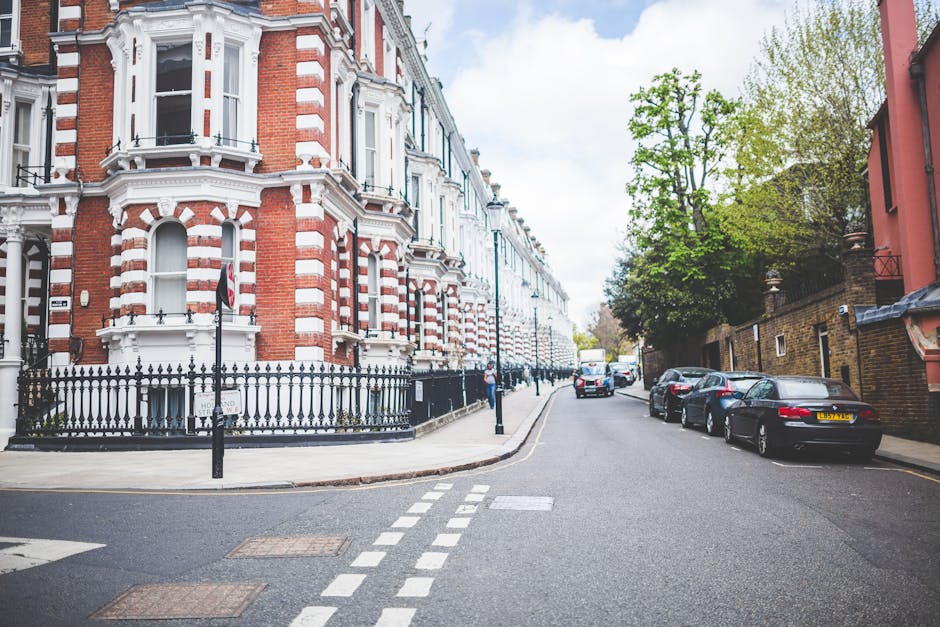
There's also a local dimension. Homes around Canonbury and Highbury Grove often sit within busy London routines, with commuters, sharers, families, and professionals moving in and out on tight schedules. That means end of tenancy cleaning often needs to be planned around removals, inventory timing, and key handovers. If you're in the middle of a move, the last thing you want is to discover the oven still needs a deep clean after the van has already turned up. Been there? Most people have, to be fair.
For readers who want to understand the broader residential landscape in the area, these local pieces are helpful context: Highbury as a place to live, Highbury's neighbourhood character, and a domestic cleaning guide for Highbury N5 streets. They help explain why properties here often need a careful, detail-led approach rather than a rushed surface clean.
How End of Tenancy Cleaning for Canonbury and Highbury Grove Works
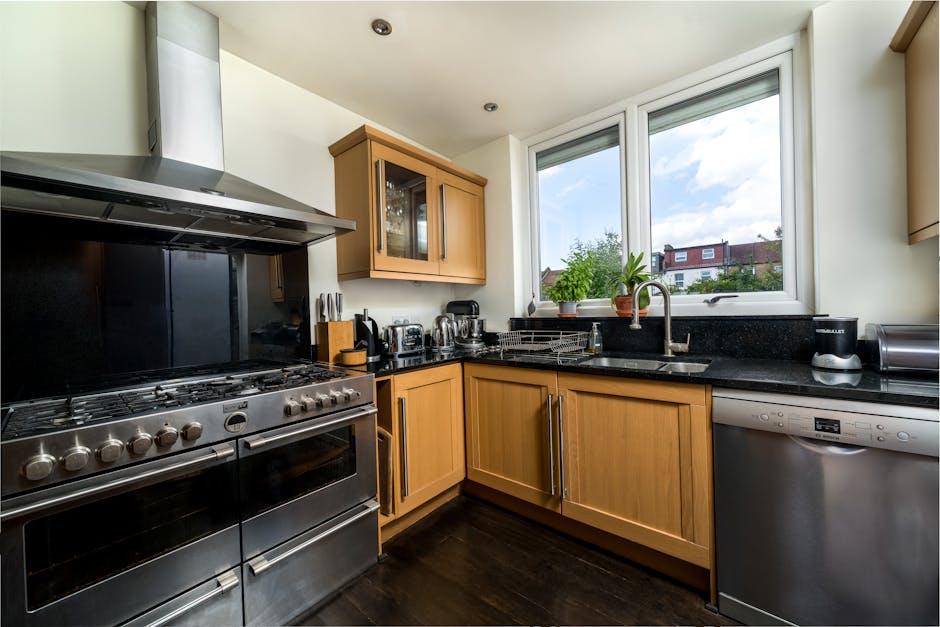
A proper end of tenancy clean follows the property from top to bottom, usually room by room. The idea is not just to make surfaces look acceptable. It is to remove built-up dirt from places people forget during normal living. That includes the backs of appliances, inside cupboards, extractor fans, taps, grout lines, shower screens, light switches, and the places where dust quietly settles and waits for inspection day.
In practical terms, the work often starts with a quick walkthrough. This helps identify the property type, the level of soilage, any problem areas, and whether extras such as carpet cleaning or upholstery cleaning are needed. If you're comparing service options, the end of tenancy cleaning service in Highbury is a useful reference point, and the carpet cleaning option can be especially helpful where flooring has picked up traffic marks, pet odours, or embedded dust.
The process is usually organised by task rather than by decoration. For example:
- Kitchen: degreasing, descaling, inside/outside cupboards, appliance detailing, sink and taps
- Bathrooms: limescale removal, tile cleaning, sanitation, mirrors, fixtures, extractor grilles
- Bedrooms and living areas: skirting boards, dusting, switches, wardrobes, window ledges, cobweb removal
- Floors: vacuuming, mopping, spot treatment, carpet care where needed
- Final touches: wiping fingerprints, checking overlooked corners, and making the property feel freshly handed over
A good clean is methodical. Not frantic. That matters because rushed cleaning often misses the exact places an inventory clerk notices first. Drawer runners. Behind the hob. Around plug sockets. Under radiators. Small things, yes - but they add up fast.
Where tenants, landlords, and managing agents are coordinating a move, the best approach is usually to schedule cleaning after the furniture is out and before the final inspection. That timing gives the clearest result and avoids the awkward shuffle of cleaning around boxes, bags, and a sofa that somehow still has to pass through a narrow hallway. London flats do keep you humble.
Key Benefits and Practical Advantages
The obvious benefit is a cleaner property. But the real value of end of tenancy cleaning is broader than that. It reduces friction. It helps present the property well. And it gives everyone a better base for the final inspection.
Here are the main advantages people usually care about:
- Better checkout outcomes: A thorough clean makes it easier for a property to meet expected handover standards.
- Less stress during moving day: Moving is chaotic enough without trying to scrub grout at the same time.
- More efficient use of time: Professional cleaning can free tenants to focus on removals, utilities, and handover details.
- Improved presentation for re-letting or sale: A fresh, well-kept interior is easier to market.
- Stronger attention to hidden areas: Cupboard interiors, extractor fans, and edges are less likely to be missed.
For landlords and property owners, there is another practical angle. When a flat or house is turned around quickly, the speed and quality of the clean can affect how soon it is ready for the next occupant. That can matter in a high-demand area. If you are also thinking about longer-term property care in the area, the articles on purchasing property in Highbury and investing in Highbury real estate wisely give useful background on why presentation and upkeep tend to matter so much locally.
There is also a hygiene benefit. Kitchens and bathrooms, in particular, can harbour grease, soap scum, and bacteria-prone residue if they are not cleaned properly. Nobody's thrilled to find the previous tenant's splashback fingerprints staring back at them in morning light, especially in a room that should feel fresh and usable.
Expert summary: the best end of tenancy cleans are not simply cleaner-looking properties; they are systematically prepared homes that make checkout easier, reduce disputes, and leave a far better impression at handover.
Who This Is For and When It Makes Sense
This service is not just for tenants who are leaving because a lease has ended. It can make sense in several situations, and the right approach depends on the condition of the property and the expectations in the tenancy paperwork.
Tenants usually need it when they want to meet their moving-out obligations and avoid a messy final inspection. If you've been living in the property for a while, the dirt is often invisible to you until you start packing and notice the wall behind the wardrobe is a different shade of dust. That moment is usually the clue.
Landlords may book the clean between tenancies to prepare the property for re-marketing. A strong presentation helps show the home in its best light, whether the next occupant is a professional sharer, a couple, or a family looking for somewhere reliable and well cared for.
Letting agents often use a professional service to keep turnaround organised. That can be especially useful when checkouts, inventory reports, and viewings are close together.
Homeowners and movers can also benefit if they are selling or handing over a property that needs a deep, final clean. A move-out clean is different from regular domestic cleaning because it focuses on reset rather than routine maintenance. If you are comparing ongoing cleaning support with one-off move-out work, it can help to look at the broader domestic cleaning Highbury and house cleaning Highbury pages as well.
As a rule of thumb, it makes the most sense when:
- the property is being returned at the end of a tenancy
- a checkout inspection is scheduled soon after move-out
- the kitchen or bathroom needs a deeper clean than usual
- carpets, sofas, or mattresses have visible wear or odours
- you want to hand over the property in a polished, ready-to-use condition
Sometimes people ask whether they can do it themselves. Of course they can. The better question is whether they realistically have the time, equipment, and patience to do it to a standard that survives a close inspection. That's the real test.
Step-by-Step Guidance
If you want a clean, organised result, it helps to treat the job like a sequence rather than a single big task. Cleaning in the wrong order is one of the quickest ways to create extra work. Dust falls. Floors get dirty again. Kitchens create their own little battlegrounds. You know how it goes.
- Read the tenancy agreement and inventory notes. Check whether the property must be returned professionally cleaned or to a particular standard.
- Remove all belongings first. Cleaning around packed bags slows everything down and causes missed spots.
- Start high and work down. Dust shelves, tops of cupboards, light fittings, and ledges before doing surfaces and floors.
- Focus on the kitchen early. It usually takes the longest because of grease, appliance interiors, and limescale around sinks and taps.
- Move to bathrooms. Descale shower glass, clean grout lines, scrub the toilet, and pay attention to hidden edges.
- Clean bedrooms and living spaces. Wipe skirting boards, clean sockets and switches carefully, and remove cobwebs from corners.
- Vacuum thoroughly and mop where suitable. For carpets, use the right method or arrange a specialist clean if needed.
- Do a final walkthrough in daylight. Natural light reveals streaks, dust, and patchy areas far better than overhead bulbs alone.
- Photograph the finished result. Keep a record of the condition in case anything needs to be clarified later.
One useful trick: clean the property as though someone mildly fussy is about to inspect it. Not paranoid, just attentive. Because that is often exactly what happens. Doors open. Cupboards are checked. Oven seals are noticed. It is never the obvious stuff that causes the longest conversation, is it?
If carpets need more than vacuuming, or upholstery has picked up marks from everyday use, it can be sensible to add targeted treatments rather than hoping they will magically fade. The related upholstery cleaning service can help with sofas and soft furnishings that need a proper refresh before handover.
Expert Tips for Better Results
A few small habits can make a big difference. These are the kind of details that experienced cleaners and careful movers tend to rely on, because they work without making the whole job more complicated.
- Use the right cloth for the right surface. Microfibre is generally better for dusting and polishing, while tougher cloths help in kitchens and bathrooms.
- Let cleaning products dwell properly. A descaler or degreaser usually needs a few minutes to work. Rushing it wastes effort.
- Check behind appliances. Even a small build-up of crumbs or grease can be noticeable once the fridge or cooker is moved.
- Don't forget ventilation points. Grilles, extractor fans, and vents often trap dust and grease.
- Clean switches and handles. These are touched constantly and often overlooked.
- Refresh soft furnishings carefully. A light vacuum and targeted treatment can lift the whole room's feel.
Another quiet but important tip: work from the least dirty area to the dirtiest, then from dry tasks to wet tasks. It sounds simple, yet it prevents a lot of backtracking. For example, dusting a shelf before mopping, or polishing glass before wiping a greasy hob, makes the whole process feel less chaotic.
If the property is in a busy part of Highbury or near Canonbury transport routes, timing matters too. Early starts can help you avoid traffic delays for cleaners, removals, and key collection. A calm morning can make the whole day easier. One less thing to juggle.
And yes, window sills matter. People always think they'll pass unnoticed, then the light comes in and there it is: a thin grey line of dust. Tiny thing, big effect.
Common Mistakes to Avoid
Most end of tenancy problems come from the same handful of mistakes. The good news is that they're very avoidable if you know what to look for.
- Leaving the clean until the moving van has arrived. Once boxes, bins, and loose items are everywhere, the job gets harder fast.
- Ignoring appliances. Ovens, fridges, freezers, and washing machines are common failure points in inspections.
- Skipping the hidden areas. Behind radiators, under beds, inside drawers, and along door frames all matter.
- Using the wrong product on delicate finishes. Some surfaces mark easily, especially around chrome, wood veneer, and glass.
- Forgetting carpets and upholstery. Visible stains or stale smells can undo otherwise good work.
- Assuming "looks clean" is enough. Inspection standards are usually about detail, not just overall appearance.
One common mistake in London flats is underestimating limescale. Hard water build-up around taps, shower heads, tiles, and glass can make a bathroom look older than it is, even if the rest of the room is tidy. Another one is surface wiping a kitchen but not degreasing properly. That thin, sticky film around cupboard handles? It doesn't fool anyone.
And here's a slightly awkward truth: some people clean in a way that moves dirt around rather than removing it. A damp cloth can be great, but only if it is rinsed often enough. Otherwise you are just smearing yesterday around today. Not ideal.
Tools, Resources and Recommendations
You do not need a van full of specialist kit, but the right tools make a noticeable difference. For a thorough move-out clean, the basics are often more useful than gimmicky products.
| Tool or resource | Best use | Why it helps |
|---|---|---|
| Microfibre cloths | Dusting, polishing, wiping surfaces | Capture dust well and reduce streaks |
| Degreaser | Kitchen cabinets, hobs, extractor areas | Breaks down cooking residue more effectively |
| Descaler | Bathrooms, taps, shower screens | Helps remove limescale and water marks |
| Vacuum with attachments | Carpets, edges, upholstery, corners | Reaches spaces a standard nozzle misses |
| Mop and bucket | Hard floors and final refresh | Leaves floors evenly cleaned, not just spot wiped |
| Property checklist | Checkout prep and final review | Prevents missed areas and last-minute panic |
On the service side, it may help to combine move-out cleaning with related support if the property needs it. For example, carpet care and commercial cleaning knowledge can be useful touchpoints when a property has mixed-use spaces, home office rooms, or particularly high footfall. That said, you should only add extras where they genuinely improve the final result. No point polishing what doesn't need polishing.
If you are comparing services or want to plan your budget carefully, the pricing and quotes page is a sensible place to start. And if you want to understand how the business handles service expectations, the terms and conditions and health and safety policy are useful supporting reads.
Law, Compliance, Standards, or Best Practice
While this article is not legal advice, there are a few UK tenancy and property-care principles worth keeping in mind. In most rental situations, tenants are expected to leave the property in a condition that matches the agreement and reflects reasonable wear and tear only. That usually means clean, tidy, and fit for the next occupant, not freshly renovated.
Best practice is usually guided by the tenancy agreement, the inventory check-in report, and the final inspection standard used by the landlord or agent. Those documents matter more than guesswork. If the inventory says an oven was spotless at check-in, it should be returned in a comparable state at checkout. If the carpet was already marked at the start, that should be noted rather than assumed to be your responsibility.
It also helps to think in terms of safety and access. Cleaning products should be used as directed, floors should not be left slippery, and ladders or step tools should be used carefully. For more about how the company approaches safe working practices, the insurance and safety information is worth a look, along with the modern slavery statement for a wider view of ethical practice.
There is also a simple professional standard that applies here: document what you did. Photos before and after, a checklist, and notes on any pre-existing issues can prevent awkward misunderstandings later. That is especially helpful if a deposit query comes up or if the inventory report needs clarification.
And one more thing. If a stain has genuinely set into a surface or a fitting is worn beyond cleaning, it is better to say so plainly than to pretend a wipe will solve it. Honest expectations beat wishful thinking every time.
Options, Methods, or Comparison Table
Not every move-out clean needs the same approach. Some people need a full professional service, while others mainly need guidance and a few targeted extras. The right method depends on time, property size, and how demanding the checkout standard is likely to be.
| Method | Best for | Strengths | Limitations |
|---|---|---|---|
| DIY clean | Very small properties or low-soilage rooms | Lower immediate cost, flexible timing | Time-consuming; easy to miss detail work |
| Partial professional clean | Homes needing help in key areas only | Targets the hardest jobs such as kitchen or carpets | Requires careful coordination |
| Full end of tenancy clean | Most standard rental handovers | Comprehensive, consistent, and inspection-friendly | Higher upfront spend than DIY |
| End of tenancy clean plus carpet/upholstery add-ons | Properties with visible wear or soft furnishings | Improves overall presentation and freshness | May be unnecessary if furnishings are already in good condition |
If you are in a well-used flat in Canonbury or a busy shared home near Highbury Grove, a full service is often the most reliable option because it brings consistency. DIY is perfectly possible, of course, but it tends to work best when the property has been well maintained throughout the tenancy and the final clean is not under severe time pressure. That last part matters more than people think.
Case Study or Real-World Example
Here's a realistic scenario. A two-bedroom flat near Highbury Grove has been occupied by professional sharers for two years. The rooms are tidy enough at first glance, but the kitchen has grease around the extractor hood, the bathroom glass is marked with limescale, and the carpet by the hallway entrance has picked up traffic dust and a couple of faint stains. Nothing dramatic. Just ordinary life, layered up over time.
The tenants start with the best intentions and do some of the work themselves, but by the evening before handover they realise the job is bigger than expected. The oven still needs attention. The skirting boards are dusty. One bedroom wardrobe has crumbs in the shelf tracks. So they bring in a proper move-out clean, add carpet treatment, and focus their own energy on removal logistics and key returns.
The result is not magic. It is method. The kitchen looks brighter because the grease is removed, not covered. The bathroom feels cleaner because the limescale is lifted from the glass and taps. The hallway carpet looks fresher, which changes the feel of the whole flat as you walk in. Suddenly the place feels ready, not rushed.
That is the real value of good end of tenancy cleaning in Canonbury and Highbury Grove. It turns a stressed, last-minute exit into a controlled handover. Not perfect, no clean ever is, but good enough to feel calm about. And sometimes calm is the best outcome available.
Practical Checklist
Use this checklist as a final sweep before checkout day. It is simple, but it catches a lot.
- All belongings removed from the property
- Kitchen cupboards emptied, wiped, and dried
- Oven, hob, extractor, and splashback cleaned
- Fridge, freezer, and washing machine cleaned inside and out
- Bathroom tiles, taps, screens, and seals descaled
- Toilets, sinks, and drains cleaned appropriately
- Skirting boards, ledges, and switches wiped down
- Cobwebs removed from ceilings and corners
- Windowsills, mirrors, and internal glass cleaned
- Floors vacuumed and mopped, carpets treated if needed
- Doors, handles, and light fittings checked for marks
- Bins emptied and the final waste removed
- Photos taken after cleaning is complete
Quick takeaway: if a room looks clean but still feels "lived in," keep going. End of tenancy cleaning is about resetting the property, not just making it presentable for five minutes.
Conclusion
End of tenancy cleaning for Canonbury and Highbury Grove is really about making a move-out feel orderly instead of chaotic. When the property is cleaned properly, the final handover is simpler, the presentation is stronger, and the whole process tends to feel more manageable. That matters whether you are a tenant trying to close out a tenancy well, a landlord preparing for the next occupant, or a letting agent working to keep everything on track.
Focus on the details that matter most: kitchens, bathrooms, carpets, hidden dust, and the small marks that show up in an inspection. Use a sensible checklist. Give yourself enough time. And if the job is bigger than you expected, that is not a failure - it is just a sign that a move-out clean is a proper job in its own right.
If you are ready to plan the next step, take a look at the relevant service information, compare the options, and choose the level of help that fits your property and timeline. A little structure goes a long way. It always does.
Get a free quote today and see how much you can save.
Frequently Asked Questions
What does end of tenancy cleaning usually include?
It usually includes a deep clean of kitchens, bathrooms, bedrooms, living areas, and floors, plus detail work such as skirting boards, cupboards, appliances, switches, and other commonly missed areas.
Do I need professional end of tenancy cleaning in Canonbury and Highbury Grove?
Not always, but it is often the safest choice if the property needs a thorough reset, the tenancy agreement expects a professional standard, or you simply do not have time to do it properly yourself.
Is carpet cleaning included in end of tenancy cleaning?
Sometimes it is included, but often it is offered as an extra. If carpets have visible marks, odours, or heavy foot traffic, adding specialist carpet cleaning is usually a smart move.
How long does an end of tenancy clean take?
It depends on property size, condition, and whether extras are needed. A small, well-kept flat may be quicker than a larger home with appliances, bathrooms, and carpets that need more attention.
Can I clean the property myself and still pass inspection?
Yes, if you do it thoroughly and meet the expected standard. The risk is missing key details such as ovens, limescale, cupboard interiors, or carpet stains. Those are the usual trouble spots.
What are the most commonly missed areas?
Behind appliances, inside ovens, extractor fans, skirting boards, door frames, top shelves, shower screens, and around taps are all easy to overlook when you are rushing.
Should end of tenancy cleaning be done before or after moving out?
It is usually best after the property is empty. Once furniture and boxes are gone, the cleaner can reach more surfaces and do a much more effective job.
How do landlords or agents judge whether the property is clean enough?
They usually compare the final condition with the check-in inventory, allowing for fair wear and tear. That means normal ageing is fine, but dirt, stains, and neglected areas can still be flagged.
What if there is damage as well as dirt?
Cleaning can deal with grime, marks, and buildup, but not structural damage or worn surfaces. If something is genuinely damaged, it is better to note it clearly rather than assume cleaning will solve it.
Is end of tenancy cleaning worth it for a small flat?
Very often, yes. Small flats can actually show dirt more quickly because kitchens, bathrooms, and living space are all compressed into a tighter footprint. Every mark stands out more.
What if the property has pets?
Pet hair, odours, and soft-furnishing marks usually need extra attention. Upholstery, carpets, and corners tend to need more than a standard wipe-down, especially after longer stays.
Where can I find more information about local cleaning services?
You can explore the broader services overview, read about end of tenancy cleaning in Highbury, or check the pricing and quotes page if you are comparing options. If you want a wider feel for the area, the local articles on living in Highbury and the Highbury neighbourhood are also useful reading.