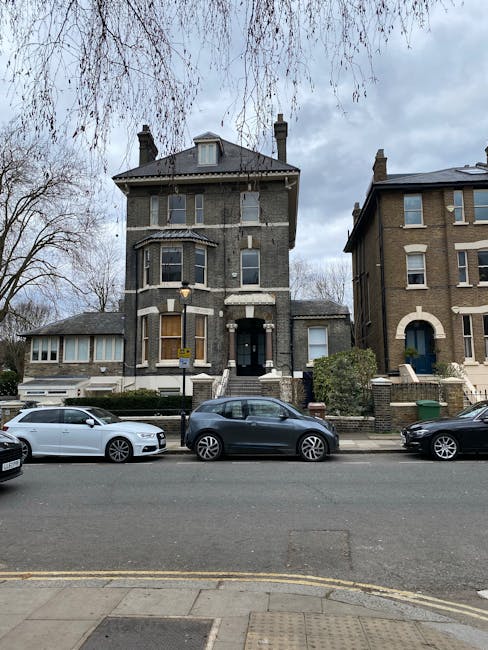
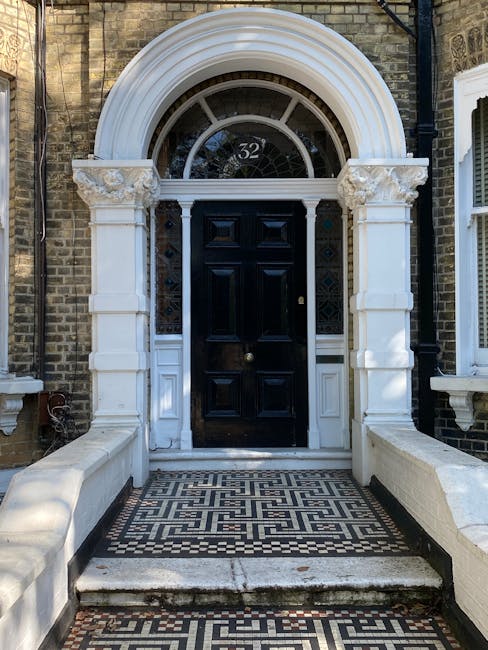
Case Study Highbury Crescent Flat Deep Clean Before and After
If you have ever walked into a flat and thought, "Right, this needs more than a quick tidy," you are in the right place. This case study Highbury Crescent flat deep clean before and after looks at what a proper deep clean can actually change in a lived-in London flat: the visible grime, the hidden build-up, the awkward corners, and the general feel of the place once everything has been properly tackled. It is not just about making things look nice for a photo. It is about restoring a home so it feels cleaner, fresher, and easier to live in.
In this article, we break down what a deep clean typically involves, why the before-and-after difference can be so striking, and how to judge whether a flat needs a one-off clean, a move-in clean, or something more specialist. We will also cover practical steps, common mistakes, and the kind of results you should expect from a well-run deep clean in a Highbury property. No fluff. Just the useful stuff.
Table of Contents
- Why Case study Highbury Crescent flat deep clean before and after Matters
- How Case study Highbury Crescent flat deep clean before and after Works
- Key Benefits and Practical Advantages
- Who This Is For and When It Makes Sense
- Step-by-Step Guidance
- Expert Tips for Better Results
- Common Mistakes to Avoid
- Tools, Resources and Recommendations
- Law, Compliance, Standards, or Best Practice
- Options, Methods, or Comparison Table
- Case Study or Real-World Example
- Practical Checklist
- Conclusion
- Frequently Asked Questions
Why Case study Highbury Crescent flat deep clean before and after Matters
A flat can look tidy at first glance and still feel tired, sticky, or slightly off. That is often the reality in busy London homes, especially in properties where everyday life has quietly built up layers: cooking residue in the kitchen, limescale in the bathroom, dust around skirting boards, fingerprints on switches, and that all-too-familiar film on neglected surfaces. A deep clean changes the whole feel of the space.
The reason a before-and-after deep clean matters so much is simple: the transformation is measurable, practical, and often emotional. You can see the difference in the tiles, smell the freshness in the rooms, and feel it when you run a hand across a cleaned surface. Truth be told, most people underestimate how much grime hides in plain sight until they see the after result.
For a Highbury Crescent flat, there is also the local context. Flats in period conversions, modern apartment blocks, and compact urban layouts each bring their own cleaning challenges. Narrow hallways, shared entrances, hard water marks, and high-traffic surfaces all add up. That is why a genuine deep clean is more than standard domestic cleaning. It is a reset.
Expert takeaway: if a home looks "mostly fine" but still feels dull, a deep clean is usually the fastest way to bring back freshness without replacing anything. One good clean can change the mood of a flat, honestly.
How Case study Highbury Crescent flat deep clean before and after Works
A proper deep clean follows a method, not guesswork. The cleaner starts by assessing the property room by room, identifying problem areas and deciding which surfaces need extra attention. That assessment matters because not every flat needs the same treatment. A kitchen that has seen a lot of cooking will need stronger degreasing. A bathroom with limescale will need longer dwell time on products. A carpeted bedroom with pet hair needs a different approach again.
The process usually begins with clutter management. Surfaces need to be clear enough for a meaningful clean to happen. Then the cleaner works from top to bottom so dust and debris fall onto areas that have not yet been cleaned. Ceiling corners, light fittings, cabinet tops, extractors, appliances, and skirting boards all come into play. It sounds obvious, but a lot of mediocre cleans fail because they move in the wrong order.
In a flat deep clean before and after comparison, the most visible improvement usually comes from:
- removing kitchen grease and splash marks
- lifting bathroom residue and water staining
- dusting neglected edges and corners
- cleaning behind and around furniture where access allows
- refreshing floors, fixtures, and touchpoints
Some jobs also include specialist add-ons such as oven cleaning, carpet cleaning, or upholstery cleaning, depending on what the flat needs most. That is where the before-and-after difference can become really dramatic, because the heavy-use items often dominate how a flat feels overall.
A sensible deep clean is methodical. Not dramatic. Not rushed. Just thorough. And that is what makes the result stick.
Key Benefits and Practical Advantages
The obvious benefit is cleanliness, of course. But the practical advantages go further than that. A flat that has been deeply cleaned is easier to maintain afterwards because the underlying build-up is gone. Once stubborn grime, dust, and residue are removed, routine cleaning becomes less of a battle.
Here are the main benefits people usually notice after a proper deep clean:
- Better presentation: rooms look brighter, calmer, and more cared for.
- Improved hygiene: kitchen and bathroom areas are usually the biggest winners.
- Reduced odours: lingering smells from cooking, pets, bins, or damp patches are often improved.
- Less stress: a clean environment feels easier to live in, simple as that.
- Better preparation for moving or inspections: particularly useful for tenants, landlords, and sellers.
- Longer-lasting surfaces: regular build-up can wear finishes down over time.
There is also a psychological shift that people do not always expect. A freshly cleaned flat tends to feel more settled, more usable, and more "back under control". You notice it the first morning after. The kitchen looks calmer. The bathroom smells clean, not chemical. Even the floors seem to hold light differently. A bit poetic, maybe, but true.
If the flat has carpets, rugs, or soft furnishings, combining deep cleaning with steam carpet cleaning or rug cleaning can sharpen the result further. That is especially helpful in homes where dust or foot traffic has left a dull finish that vacuuming alone will not solve.
Who This Is For and When It Makes Sense
This type of clean is ideal for people who need more than a standard weekly tidy. If that sounds like you, you are probably already past the point where a quick wipe-down will cut it. Let's face it, some homes need a proper reset.
It makes the most sense for:
- homeowners preparing a flat for sale or viewing
- tenants moving in or moving out
- landlords getting a property ready for new occupants
- busy professionals with limited time to keep on top of everything
- households recovering from a period of neglect, renovation, or heavy use
- Airbnb or short-let hosts between guests
For rented homes, a deep clean can help a flat look cared for before an inspection or handover. For owners, it can be the difference between a property that feels tired and one that feels ready for the next chapter. And for those juggling work, school runs, or just life in general, a one-off deep clean can be a practical sanity-saver. No drama. Just relief.
If you are deciding between recurring support and a one-off reset, it can be useful to compare with regular cleaning and one-off cleaning. In many cases, the right answer is both at different times: a deep clean first, then routine maintenance afterwards.
Step-by-Step Guidance
If you want the clearest picture of how a deep clean should unfold, here is the basic workflow. This is not the only way to do it, but it is a solid, sensible approach that gets results.
- Walk through the flat. Check every room, note the worst areas, and decide what needs specialist attention.
- Declutter surfaces. Cleaning around piles of items usually wastes time and leaves patches behind. A quick reset helps a lot.
- Work top to bottom. Dust high shelves, light fittings, and tops of cabinets before dealing with lower surfaces.
- Focus on the kitchen. Degrease splash zones, clean hob surfaces, wipe cupboard fronts, and deal with the oven if needed.
- Move to the bathroom. Tackle limescale, soap residue, mirrors, taps, tiles, and the toilet area carefully.
- Clean living spaces and bedrooms. Dust, vacuum, wipe skirting boards, and refresh touchpoints like handles and switches.
- Finish floors and final details. Vacuum, mop, check corners, and do a final pass for missed spots.
A nice trick, if you are planning the clean yourself, is to leave the bathroom for a little while after applying descaling products. That extra dwell time often does the hard work for you. No need to scrub like a maniac. In fact, over-scrubbing can sometimes damage finishes, so steady beats frantic every time.
For larger clean-ups or properties with extra mess from decorating, consider whether after builders cleaning is more appropriate than a standard deep clean. The difference matters, especially if dust has settled into every corner.
Expert Tips for Better Results
There are a few small choices that make a big difference. Most of them are boring in the best possible way: they save time, reduce mistakes, and improve the finish.
- Start with the worst room first. Kitchens and bathrooms usually need the most effort, so do them while energy is highest.
- Use the right dwell time. Many cleaning products work better when left for a few minutes before wiping.
- Change cloths often. A dirty cloth just moves grime around. Basic, but easy to forget.
- Work methodically around edges. Skirting boards, door frames, and corners often reveal the real standard of a clean.
- Do not ignore handles and switches. These small details change the feel of a room more than people expect.
- Ventilate as you go. Fresh air helps with drying and stops the flat from feeling heavy with product smell.
If carpets, sofas, or mattresses have trapped odours or stains, the result will always improve when those items are treated too. That is why services like sofa cleaning and mattress cleaning can be worth considering in a complete refresh. It is one of those things you only really notice when it has not been done for a while.
Here is one practical observation from experience: the cleaner the "touch points", the cleaner the whole flat feels. A shiny tap, a wiped bannister, a dust-free switch plate. Tiny details, yes. But they matter.
Common Mistakes to Avoid
Deep cleaning is straightforward in principle, but people still make the same mistakes. Usually it is because they are trying to save time, or because they assume a surface is cleaner than it really is.
- Cleaning in the wrong order. If you vacuum first and then dust above, you will be repeating work.
- Using too much product. More does not always mean better. It can leave residue behind.
- Skipping hidden areas. Behind appliances, under beds, and around pipework often collect the worst build-up.
- Forgetting high-touch spots. Light switches, door handles, and cupboard pulls are easy to miss.
- Leaving floors to the end without a final check. That is when crumbs, dust, and fine debris sneak back in.
- Expecting one cloth to do everything. Kitchen grime and bathroom residue are not the same thing.
Another common issue is trying to do a "deep clean" and a declutter and a DIY repair session all in one go. To be fair, that sounds efficient, but it often turns into a half-finished day and a tired person. Better to split the jobs when you can.
If there is bulky waste or leftover clearance material involved, it may help to understand local disposal rules before you start hauling things out. For that sort of situation, this guide on bulky waste rules in Highbury is a useful reference point within the website's own guidance.
Tools, Resources and Recommendations
The right tools do not need to be fancy. In most flats, sensible basics are enough. What matters is using them properly and not swapping one cloth from room to room until everything becomes a mystery smear.
Useful tools and materials typically include:
- microfibre cloths for dusting and wiping
- a vacuum with attachments for edges, upholstery, and corners
- a mop and bucket or spray mop for hard floors
- non-abrasive bathroom cleaner for tiles, taps, and sinks
- degreaser for kitchen surfaces
- limescale remover for suitable bathroom fixtures
- scrub pads that will not scratch delicate finishes
- disposable gloves for hygiene and comfort
For deeper household tasks, some services are worth combining rather than handling separately. For example, a deep clean might pair naturally with window cleaning if natural light matters, or with hard floor cleaning if the flat has visible wear on tiles, wood, or laminate.
If you want a broader idea of service scope, the site's deep cleaning page is the obvious starting point, while domestic cleaning and house cleaning can help you compare ongoing support with a one-off refresh. That comparison is useful, especially if you are not sure which route makes the most sense for your flat.
Law, Compliance, Standards, or Best Practice
For a flat deep clean, the main compliance concerns are usually practical rather than dramatic. Safe product use, sensible handling of equipment, and proper disposal of waste matter more than people think. If a cleaner is working in a home, they should be mindful of health and safety, chemical handling, and the condition of the property itself.
Good practice usually includes:
- using suitable products for the surface being cleaned
- avoiding harsh chemicals on delicate finishes
- following label instructions for dwell time and dilution
- keeping the area ventilated where possible
- wearing gloves when appropriate
- respecting the property and contents
If you are choosing a cleaning provider, it is fair to look for clear policies on safety, insurance, and complaints handling. On this website, the relevant pages include health and safety policy, insurance and safety, and complaints procedure. Those pages do not replace professional judgement, but they do help set expectations.
Payment clarity and terms also matter, especially for larger cleans or time-sensitive bookings. If you are comparing options, the pages on payment and security, terms and conditions, and privacy policy give a better picture of how a service is handled behind the scenes. A tidy flat is great. A clear process is better.
Options, Methods, or Comparison Table
Not every flat needs the same type of clean. Some need a broad deep clean, while others need a more targeted approach based on the state of the property. Here is a simple comparison that helps narrow things down.
| Cleaning option | Best for | Typical focus | Good to know |
|---|---|---|---|
| Deep cleaning | General reset of a lived-in flat | Kitchens, bathrooms, dust, surfaces, floors | Best all-round option when the home feels dull or heavily used |
| Move-in cleaning | Fresh start before unpacking | Sanitising surfaces, cupboards, floors, fixtures | Useful when you want to settle into a clean space from day one |
| Move-out cleaning | End of tenancy or sale handover | Detailed attention to visible and hidden areas | Good for presentation and reducing last-minute stress |
| One-off cleaning | Short-term support or seasonal refresh | Flexible based on priority areas | Handy when the flat needs a boost, not a full programme |
| End of tenancy cleaning | Rental inspections and vacating | More detailed, often with stricter expectations | May be paired with carpet or oven cleaning for a stronger finish |
If you are aiming for strong presentation before a move, the site's move-in cleaning and move-out cleaning pages are useful comparisons. For rental situations, end of tenancy cleaning is often the closer match. Different job, different goal. Simple enough once you separate them.
Case Study or Real-World Example
Here is a realistic example based on the kind of work often needed in a Highbury Crescent flat. The property was a compact two-bedroom flat with a small kitchen, one bathroom, a living room, and a hallway that had started to feel a bit closed in. Nothing extreme, but enough build-up had gathered to make the space feel tired.
The before state was typical of a busy London home. The kitchen had cooking residue on the hob surround, a greasy extractor area, and cupboard fronts with fingerprints around handles. The bathroom had limescale on fittings, soap marks on glass, and dull tile edges. In the living room, the skirting boards and corners had collected dust that regular vacuuming had missed. The floors looked fine from a distance, then less fine once the light hit them just right. Sneaky, that.
The clean focused on the kitchen first, because that was the room with the most visible impact. Degreasing, wiping, descaling, and final buffing made a huge difference. Then the bathroom was tackled with attention to taps, shower fittings, sink edges, and tile lines. After that came the living areas and bedrooms, where dusting, vacuuming, and detail cleaning made the flat feel less heavy.
The after result was not a flashy transformation in the sense of new furniture or repainting. It was better than that. It was a genuine reset. The flat looked brighter, the kitchen no longer had that faint cooking haze, and the bathroom felt noticeably fresher. The kind of difference you notice straight away when you open the door after a long day and think, yes, that is much better.
That is the real value of a case study like this: it shows that a deep clean is not about perfection. It is about restoring a flat so it feels properly looked after again.
Practical Checklist
Use this checklist if you are preparing for a deep clean or trying to judge whether a property needs one. It keeps the job from drifting into guesswork.
- Identify the dirtiest rooms first
- Remove clutter from visible surfaces
- Check kitchen grease points and appliance fronts
- Inspect bathroom limescale, soap marks, and grout lines
- Dust high shelves, vents, and light fittings
- Wipe skirting boards, doors, handles, and switches
- Vacuum corners, under furniture, and along edges
- Mop hard floors after dry debris is removed
- Clean inside accessible cupboards if needed
- Review carpets, rugs, sofas, and mattresses for add-on cleaning
- Ventilate the flat after cleaning
- Do a final walk-through in daylight if possible
If you want the whole job handled in one visit, it can help to discuss the priorities clearly before the clean starts. That way the best time is spent where it matters most. A ten-minute conversation upfront can save a fair bit of back-and-forth later.
Quick summary: the best before-and-after results come from proper sequencing, the right products, and careful attention to the bits people usually ignore. Small details, big payoff.
Get a free quote today and see how much you can save.
Conclusion
A strong case study Highbury Crescent flat deep clean before and after is really about more than visible sparkle. It is about restoring comfort, reducing stress, and making a flat feel liveable again. When a home has been properly deep cleaned, you notice it in the light, in the smell, in the way surfaces feel under your hand, and in the general sense that the place has been given a proper reset.
If you are weighing up your next step, think about the state of the kitchen, bathroom, and floors first. Those areas usually tell the truth fastest. From there, decide whether you need a one-off deep clean, move-in support, or a more regular arrangement to keep things from sliding backwards. There is no need to overcomplicate it.
Sometimes the best thing you can do for a flat is give it a proper clean and let it breathe again. Simple, steady, satisfying. And honestly, that feeling is hard to beat.
Frequently Asked Questions
What does a flat deep clean usually include?
A flat deep clean usually includes detailed cleaning of kitchens, bathrooms, floors, skirting boards, surfaces, fixtures, and high-touch areas. It goes beyond a normal tidy-up and focuses on build-up that routine cleaning may miss.
How is a deep clean different from a regular clean?
A regular clean maintains a home, while a deep clean tackles heavier dirt, hidden dust, grease, and residue. In practice, deep cleaning is slower and more detailed, especially in kitchens and bathrooms.
Why does a before-and-after deep clean make such a big difference?
Because grime often builds up gradually, people stop noticing it. Once it is removed, the change feels dramatic. The room looks brighter, smells fresher, and feels better to use.
How long does a deep clean of a flat take?
It depends on the size of the flat, how neglected it is, and whether extra tasks are included. A compact flat may be quicker than a larger or heavily used one, but a proper deep clean should never feel rushed.
Is a deep clean worth it before moving out?
Yes, especially if you want the property to present well and avoid avoidable issues at handover. A move-out clean can also reduce stress when you are already dealing with packing and logistics.
Can a deep clean remove odours?
It can improve many common household smells by removing the source of the odour, such as grease, dust, and residue. If the smell is caused by carpets, upholstery, or mattresses, those areas may need specialist treatment too.
Do I need carpet cleaning as well as a deep clean?
Sometimes, yes. If carpets look dull, hold odours, or have visible staining, adding carpet cleaning can make a clear difference to the final result. The same logic applies to rugs, sofas, and mattresses.
What are the hardest areas to clean in a flat?
Kitchens and bathrooms are usually the hardest because grease, limescale, soap residue, and moisture create stubborn build-up. Corners, edges, and behind appliances can also be awkward.
Is it better to book a one-off clean or regular cleaning?
If your flat just needs a reset, a one-off deep clean is often the best first step. If the place gets messy quickly or you want to keep standards high, regular cleaning is usually the smarter long-term option.
How can I prepare my flat before a deep clean?
Clear clutter from main surfaces, put away personal items, and identify any areas that need extra attention. That helps the cleaner spend more time on the actual cleaning rather than moving objects around.
Are there any safety issues to think about during deep cleaning?
Yes. Cleaning products should be used properly, surfaces should be treated with suitable materials, and rooms should be ventilated when possible. Good providers also follow sensible health and safety practices.
Can I combine a deep clean with other cleaning services?
Absolutely. Many people combine deep cleaning with oven cleaning, window cleaning, carpet cleaning, or upholstery cleaning for a more complete refresh. It often makes the whole flat feel finished rather than just partly improved.
For more details on the company's service range, you can also review the information pages on about us, pricing and quotes, and contact us. If you are comparing services carefully, that is usually the sensible place to start.